

Major Threats to Marine Turtles
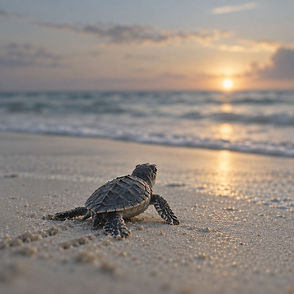
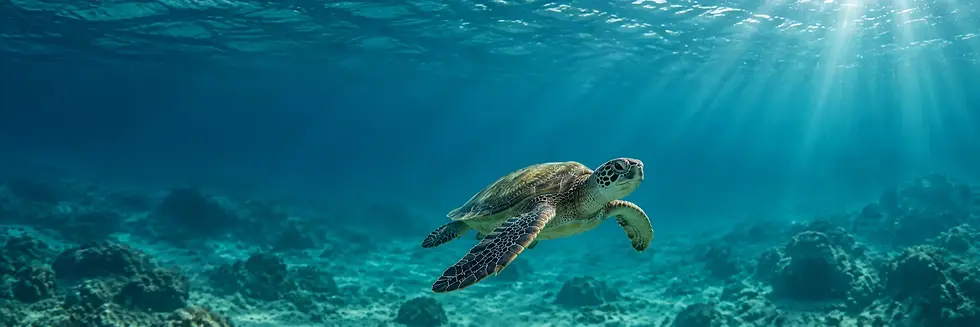
Marine turtles face threats throughout their lives - from eggs and hatchlings on nesting beaches to juveniles and adults feeding and migrating through coastal and offshore waters.
Key Threats

Climate Change
Climate change is a major threat to marine turtles and the habitats they depend upon. Rising sand temperatures can affect developing embryos and hatchling sex ratios, while sea-level rise, erosion, inundation and extreme weather can affect nesting beaches. Changes in ocean conditions can also affect important feeding habitats such as seagrass meadows and coral reefs.
Marine Debris & Entanglement
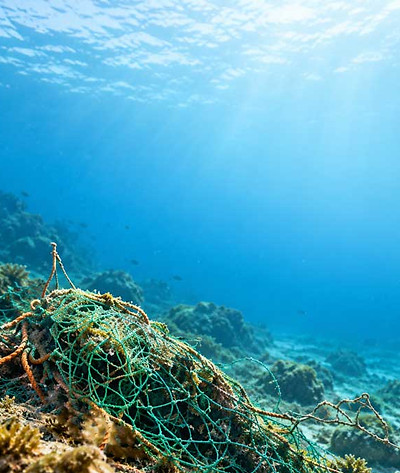
Marine turtles can ingest plastic or become entangled in fishing line, nets, ropes and other discarded or lost fishing gear. Ingestion and entanglement can cause serious injury, restrict movement and feeding, or result in death.
Vessel Strike
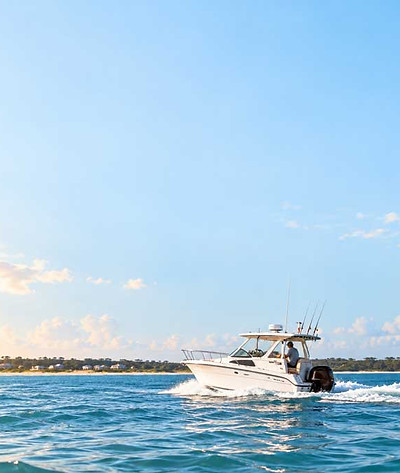
Marine turtles regularly use shallow coastal waters where boating also occurs. Turtles feeding, resting or surfacing to breathe can be injured or killed by vessels and propellers. Keep watch for turtles when boating and slow down in areas where turtles are present.
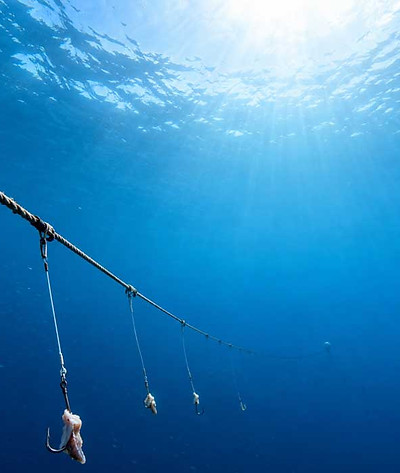
Fishing & Accidental Capture
Marine turtles can be accidentally caught or entangled in commercial and recreational fishing equipment.
Fishing line, hooks, nets and lost or abandoned fishing gear can cause injury, entanglement or drowning.
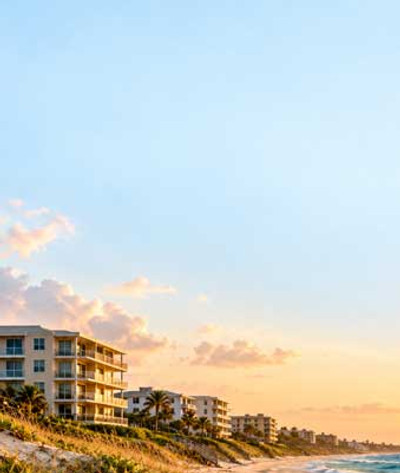
Coastal Development & Habitat Loss
Development and increasing use of coastal areas can affect marine turtle nesting and feeding habitats.
Impacts can include modification or loss of nesting habitat, artificial lighting, disturbance, increased vessel activity and changes to coastal and marine ecosystems.
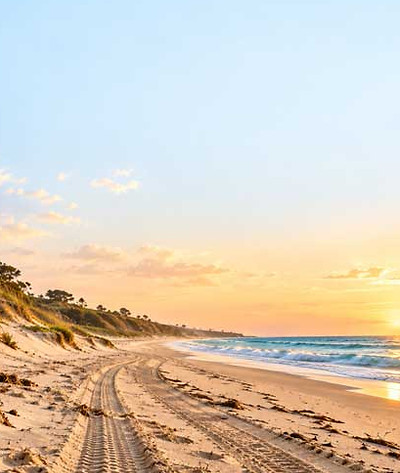
Vehicles & Beach Disturbance
Vehicles on nesting beaches can compact sand, damage nests and create wheel ruts that can trap or slow hatchlings travelling to the ocean. People, dogs, fires and other disturbances can also interfere with nesting and hatching.

Predation
Marine turtle eggs and hatchlings are naturally vulnerable to predators. Domestic and introduced animals can add further pressure on nesting beaches.

Artificial Light
Artificial lighting near nesting beaches can discourage nesting females and disorient hatchlings. Hatchlings use environmental light cues to find the ocean. Artificial lights can draw them away from the sea, increasing the risk of exhaustion, dehydration, predation and other hazards.
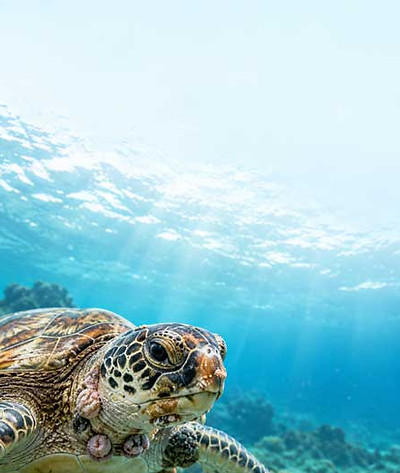
Disease & Poor Health
Marine turtles can be affected by disease, injury and poor health. Diseases including fibropapillomatosis can affect some marine turtle populations. Understanding turtle health and causes of mortality is one reason why stranding response, rehab, research and monitoring are important.
How Can You Help?
-
Keep beaches, waterways and the ocean free from rubbish.
-
Dispose of fishing line, hooks and other fishing gear responsibly.
-
Keep watch for turtles when boating and slow down when turtles are present.
-
Keep vehicles away from turtle nesting areas.
-
Keep dogs under control around nesting areas, turtles and hatchlings.
-
Minimise artificial light visible from nesting beaches during nesting and hatching periods.
-
Never disturb a nesting turtle, nest or emerging hatchlings.
-
Help protect seagrass meadows, reefs, beaches and coastal habitats.
-
Participate in marine debris reduction, citizen science and community conservation activities.
Report a Marine Turtle Stranding
QWildlife app or Marine Wildlife Stranding Hotline:
1300 130 372
Do not move, return to the water, feed or attempt to treat a marine turtle unless instructed by an authorised wildlife responder.