

ABOUT
Who We Are
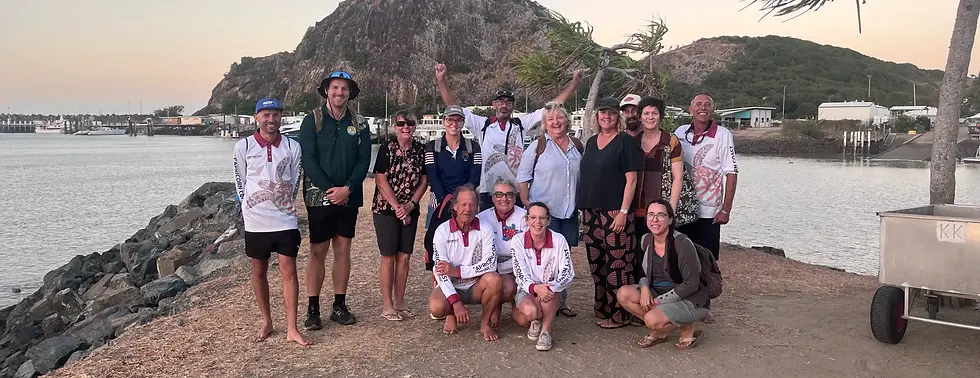
Capricorn Coast Marine Community (CCMC) is a community-led, not-for-profit marine conservation organisation working to protect marine turtles and the diverse marine ecosystems of the Capricorn Coast and Capricorn-Bunker Group within the southern Great Barrier Reef.

Our Vision
CCMC was established with a vision to develop a dedicated marine turtle rehabilitation facility on the Capricorn Coast, alongside community education, research and conservation initiatives focused on marine turtles and the wider marine environment.

Our Purpose
Our work brings together marine turtle conservation, rehabilitation planning, research, education, community engagement and marine threat reduction to build a stronger future for marine wildlife and the ecosystems they depend upon.


Protecting Marine Turtles.
Protecting Our Sea Country.
Protecting Our Future.
What We Do
We believe lasting conservation is achieved through local action, scientific knowledge, Traditional Owner knowledge, community participation and collaboration. Together, we can protect the marine environment we all share.


Marine Turtle Rehab Project
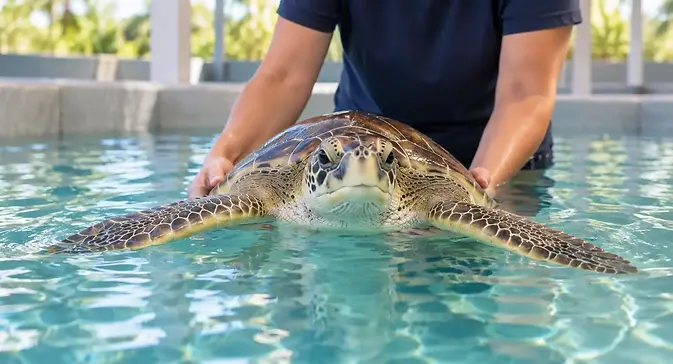
A foundation project of CCMC is the development of a purpose-built local facility that supports marine turtle rehabilitation while becoming a centre for marine turtle conservation, education, research and community involvement in the Keppel Bay region,
The project aims to reduce the need for turtles to be transported long distances for rehabilitation, while creating opportunities for research, monitoring, education, volunteer participation and community engagement.
Rescue. Rehabilitate. Recover. Release.

Research & Conservation
Research and evidence are central to CCMC's work.
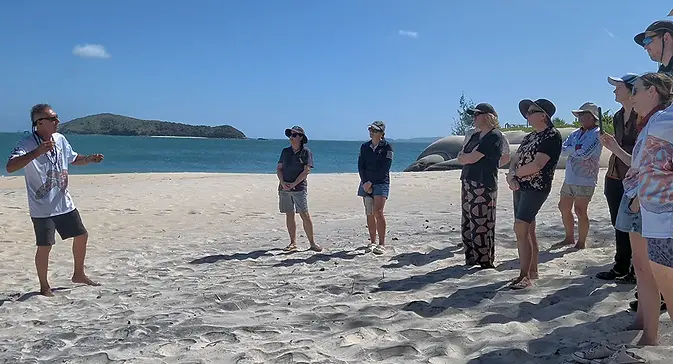
We aim to work with universities, researchers, Traditional Owners, government and conservation partners to improve understanding of marine turtles, their habitats, marine wildlife health and the environmental pressures affecting Keppel Bay.
Our proposed rehabilitation facility will also provide opportunities to support research, data collection and knowledge sharing.

Marine Turtle Monitoring
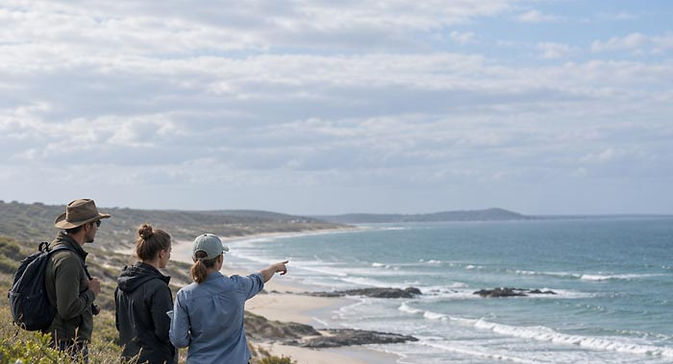
We support monitoring of marine turtle activity, including nesting, hatchlings, strandings and other observations, helping build valuable local knowledge about turtle populations, their habitats and the threats they face.

Marine Habitat Protection
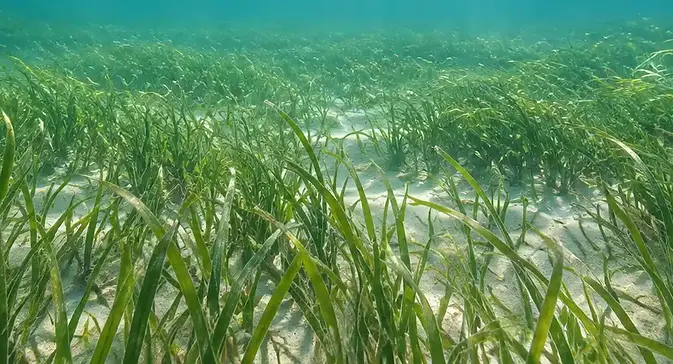
Marine turtles depend upon healthy and connected habitats throughout their lives. We support the protection of nesting beaches, reefs, seagrass, coastal waters and other marine habitats that provide food, shelter and breeding habitat for turtles and the wider marine ecosystem.

Marine Debris & Threat Reduction
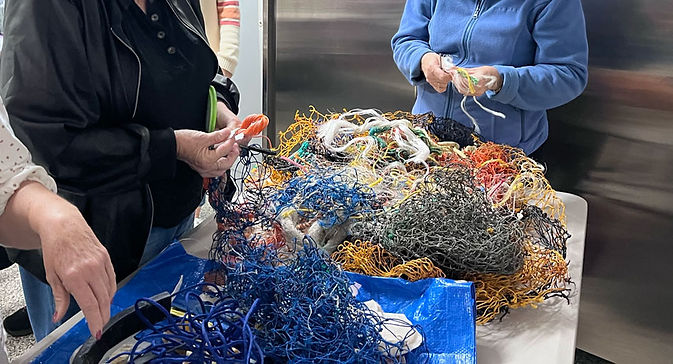
Marine debris, fishing interactions, boat strike and other human-related pressures can pose significant risks to marine turtles and other wildlife. CCMC works to raise awareness, educate the community and support practical actions that reduce threats to marine wildlife.
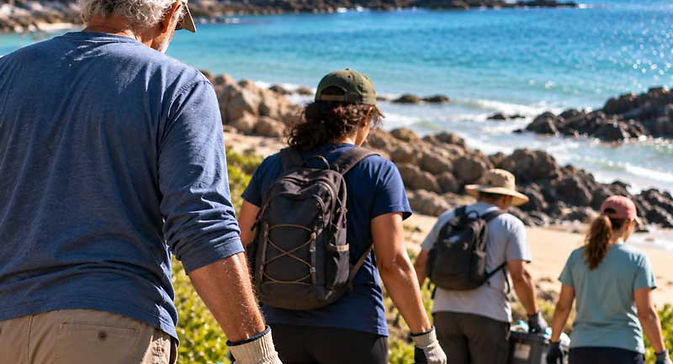

Volunteers & Community Conservation
CCMC is a community-led organisation, and volunteers are central to our work. Volunteers can contribute to conservation activities, education, monitoring, events, community engagement and the development of our rehabilitation project.
Our aim is to create opportunities for the community to actively participate in protecting the marine environment of Keppel Bay.
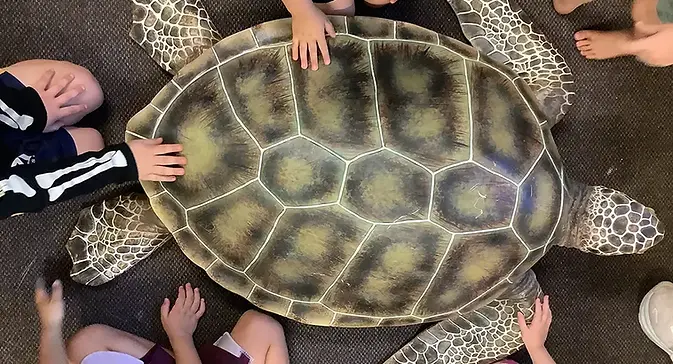

Education & Community Engagement
Education is one of the reasons CCMC was established.
We want to create opportunities for schools, community groups and the wider community to learn about marine turtles, their life cycles, marine wildlife, threats to our oceans and the importance of healthy marine ecosystems. Our future rehabilitation facility will provide an important opportunity to connect the community with marine turtle conservation, research and education in a meaningful and practical way.
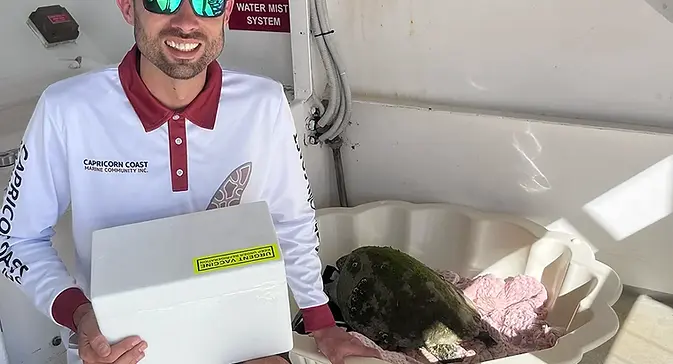

Marine Turtle Strandings
CCMC supports appropriate responses to marine turtles in distress and works within the relevant Queensland marine wildlife stranding and rehabilitation framework.
Where turtles require rehabilitation, our long-term goal is to provide a local pathway for appropriate care and recovery through our proposed rehabilitation facility.