


Marine Turtle Habitat Across the Capricorn Coast
A turtle doesn't have to be on a nesting beach to be in critical turtle habitat.
A marine turtle's habitat isn't just the beach where it nests. Different turtles use different parts of the marine environment for feeding, shelter, migration, breeding and development.

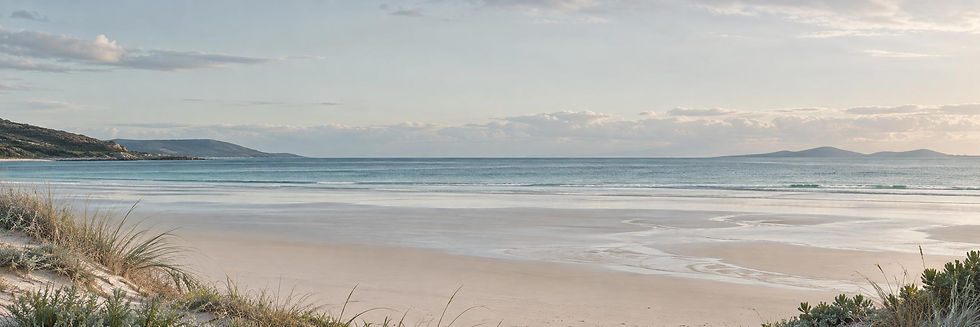
Beaches
Important for:
-
Nesting females
-
Eggs
-
Hatchlings
-
Access to nearshore waters
Nesting beaches can be affected by:
-
Rising sand temperatures and extreme heat
-
Artificial lighting
-
Vehicles
-
Dogs
-
Coastal development
-
Beach erosion and inundation
-
Human disturbance
-
Predation

Seagrass Meadows
Seagrass meadows are particularly important feeding habitat for green turtles. Healthy seagrass ecosystems also provide food, shelter and nursery habitat for fish, invertebrates and many other marine species.
Protecting seagrass means protecting an entire coastal ecosystem.

Coral & Rocky Reefs
Coral and rocky reefs provide important feeding and resting habitat for marine turtles, including:
-
Green turtles
-
Hawksbill turtles
-
Loggerheads
Hawksbill turtles are particularly associated with coral reef habitats, where they forage on sponges and other reef organisms.

Shallow Coastal Waters
Shallow coastal waters provide important feeding, resting and movement habitat for several marine turtle species. These areas can include:
-
Bays
-
Reef flats
-
Sand flats
-
Seagrass
-
Estuaries
-
Coastal channels
The shallow coastal waters of the Capricorn Coast form part of a much larger, connected network of marine turtle habitat across the southern Great Barrier Reef.

Soft-Bottomed Seabeds
Soft sandy and muddy seabeds can provide important feeding habitat for marine turtles, particularly loggerhead turtles. They forage for animals such as:
-
Crabs and other crustaceans
-
Molluscs
-
Sea urchins and invertebrates
This means even ordinary sandy or muddy seabeds can be important marine turtle habitat.

Turtles Don't Stay in One Place
Marine turtles are highly mobile. Throughout their lives, they may use habitats separated by hundreds or even thousands of kilometres. A turtle may:
-
Nest on an island or mainland beach
-
Travel hundreds or thousands of kilometres
-
Feed in coastal waters or offshore habitats
-
Migrate between feeding and breeding areas
-
Return to the same breeding area years later
Green turtles nesting in the southern Great Barrier Reef have been recorded undertaking migrations of more than 2,600 kilometres. They connect our region with habitats across Queensland and northern Australia, as well as Indonesia, Papua New Guinea, Solomon Islands, Vanuatu and New Caledonia.
Protecting marine turtles therefore requires protecting the connected habitats they depend upon throughout their lives.
Why Our Region Matters
The Capricorn Coast is not an isolated turtle habitat. It forms part of a connected system extending from:

1
Keppel Bay
2
Keppel Islands

3
Shoalwater Bay

4
Capricorn
Coast
5
Capricorn/
Bunker Islands

6
Southern Great Barrier Reef
→
→
→
→
→
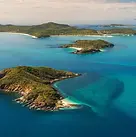
The Keppel Bay islands and surrounding reefs provide important feeding and breeding habitat for marine turtles. Peak Island is a very significant nesting area for eastern Queensland flatback turtles.
Shoalwater and Corio Bays contain extensive seagrass meadows and support the largest feeding population of green turtles on Australia's east coast. The area also supports flatback, hawksbill and loggerhead turtles and forms an important part of the wider coastal habitat network.
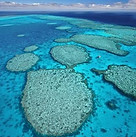
Further offshore, the Capricorn-Bunker Group supports significant nesting populations of both southern Great Barrier Reef green turtles and loggerhead turtles.
Protecting turtles means recognising the connections between healthy coastal waters, seagrass meadows, reefs, nesting areas and the wider Great Barrier Reef.
Protecting Turtle Habitat Protects More Than Turtles
Marine turtles depend on healthy coastal ecosystems. When we protect

Seagrass

Coral reefs

Nesting beaches

Clean coastal waters

Seabed habitats

Marine food webs
we are protecting the ecosystems that support turtles throughout their lives. Marine turtle conservation is therefore not simply about saving turtles that wash ashore. It is about protecting the places they live.